
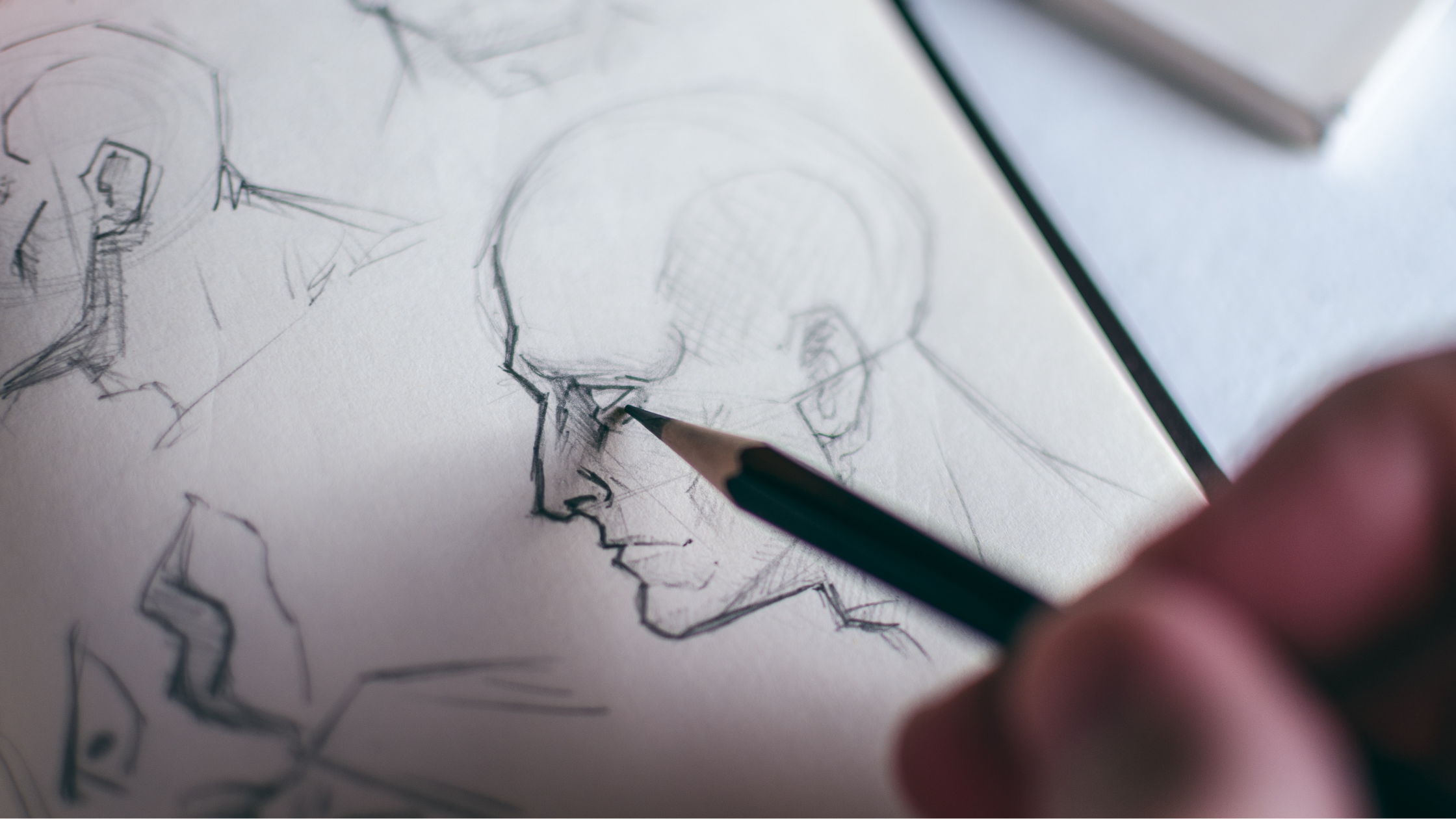
If you’re just getting into drawing, don’t worry about making perfect art — focus on learning how things work. These prompts help you practice shapes, shading, anatomy, and perspective, while keeping things fun and pressure-free. Grab your sketchbook, pick a few each week, and watch your skills grow.
1. Start with Shapes
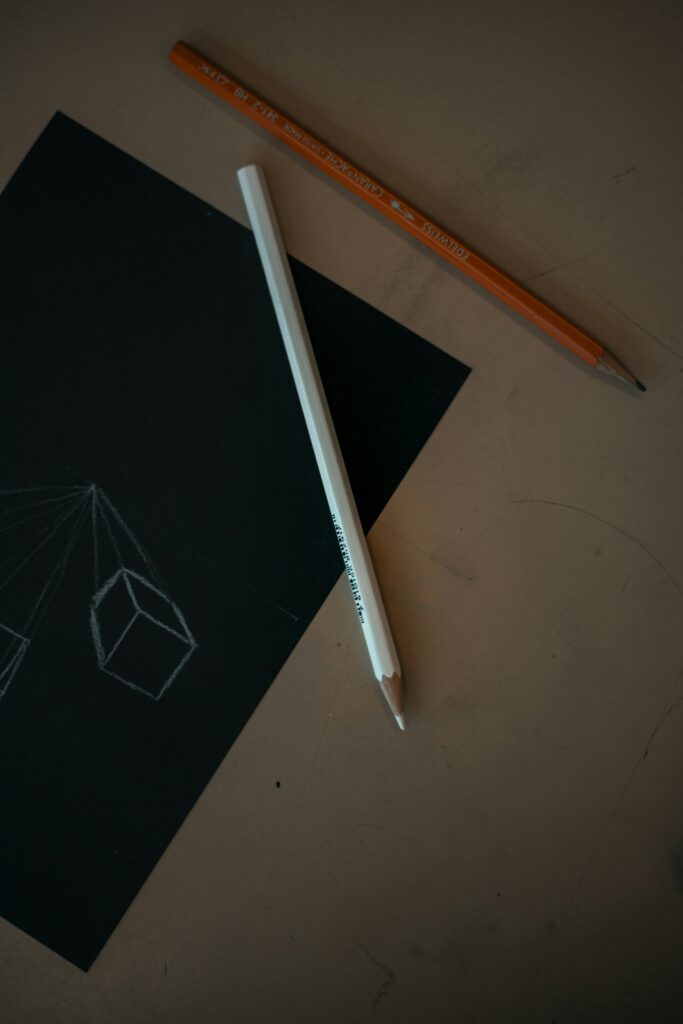
- Draw a still life using only circles, squares, and triangles.
- Sketch everyday objects (like cups or bottles) as simple 3D forms.
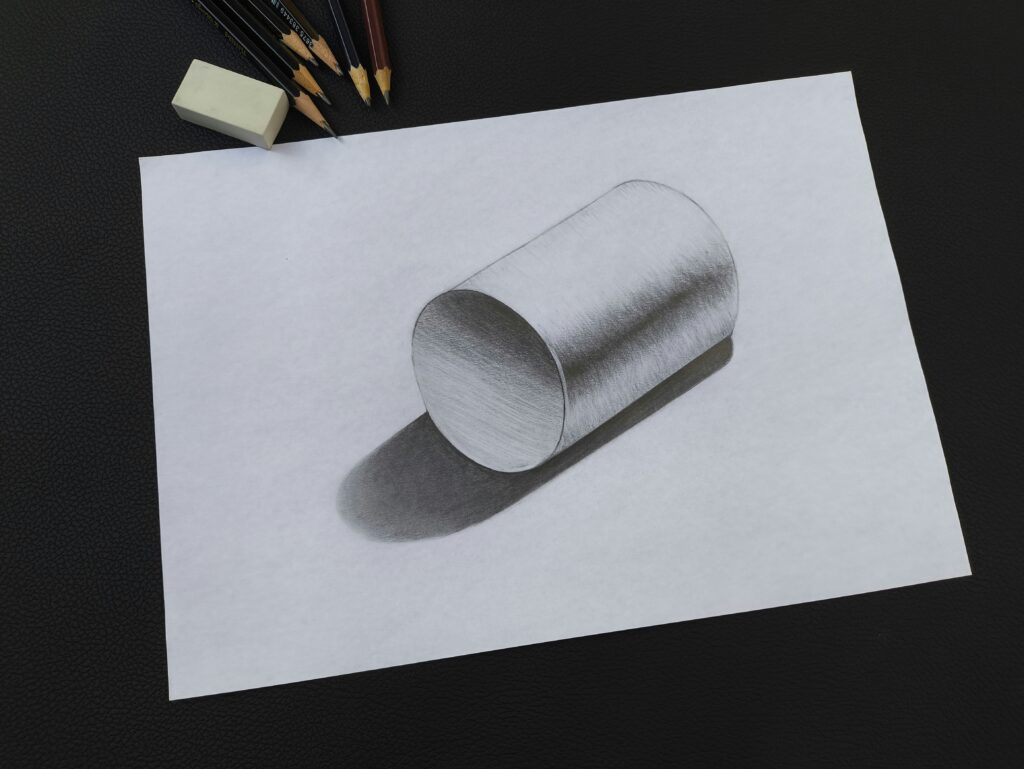
- Try shading a cube, sphere, and cylinder using one light source.
- Combine basic shapes to build something more complex — like a teapot or shoe.
2. Practice Light & Shadow
- Shade a crumpled paper or cloth to practice texture.
- Draw the same object under soft light and harsh light.
- Try using cross-hatching for one drawing and blending for another.
- Create a gradient from light to dark using just your pencil pressure.
3. Learn Proportion & Perspective
- Sketch your hand from three angles — palm, side, and holding something.
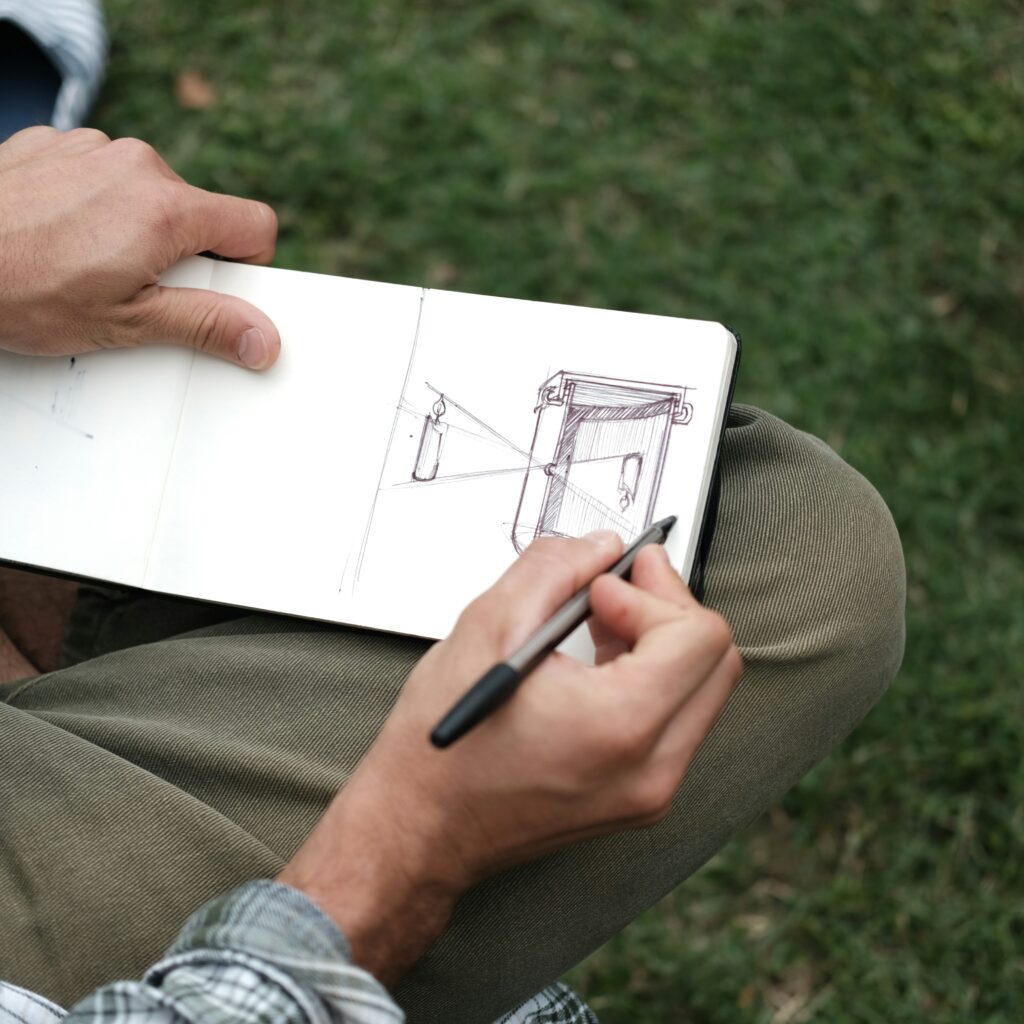
- Draw a simple chair or table using one-point perspective.
- Try drawing a hallway or room corner with two-point perspective.
- Sketch a person or animal using only basic shapes to get proportions right.
4. Build Anatomy Confidence
- Do 5 quick 30-second gesture drawings (focus on movement, not detail).
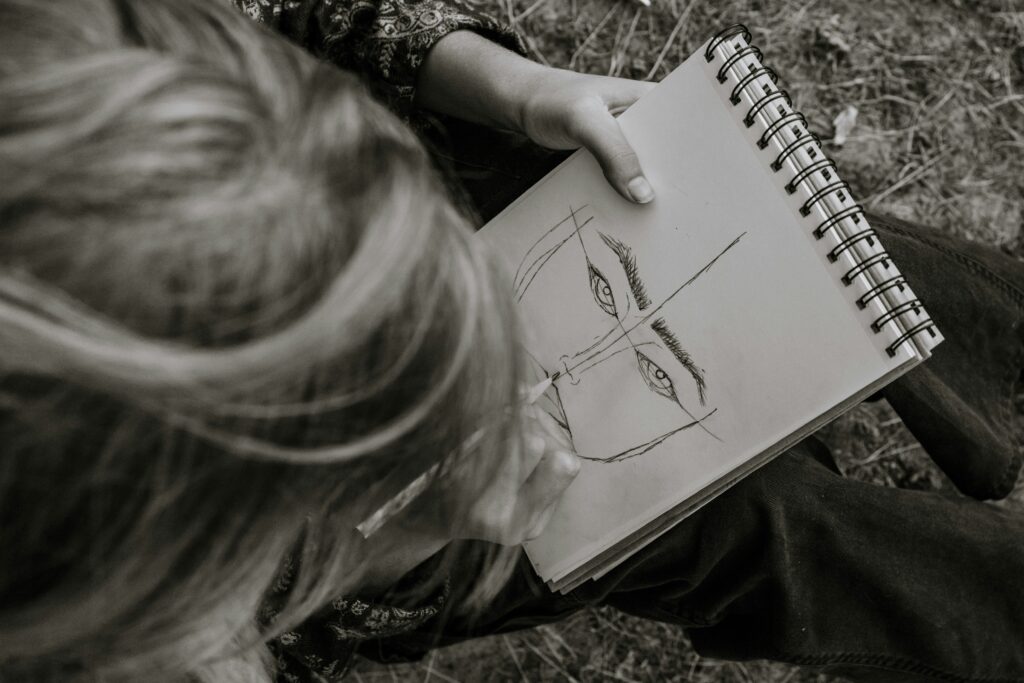
- Draw heads using the Loomis method or simple oval guides.
- Practice drawing facial features individually — eyes, noses, lips, ears.
- Sketch hands in different poses, even if they look weird at first.
- Try feet — no one likes them, but they’re great for learning structure.
5. Explore Form & Texture
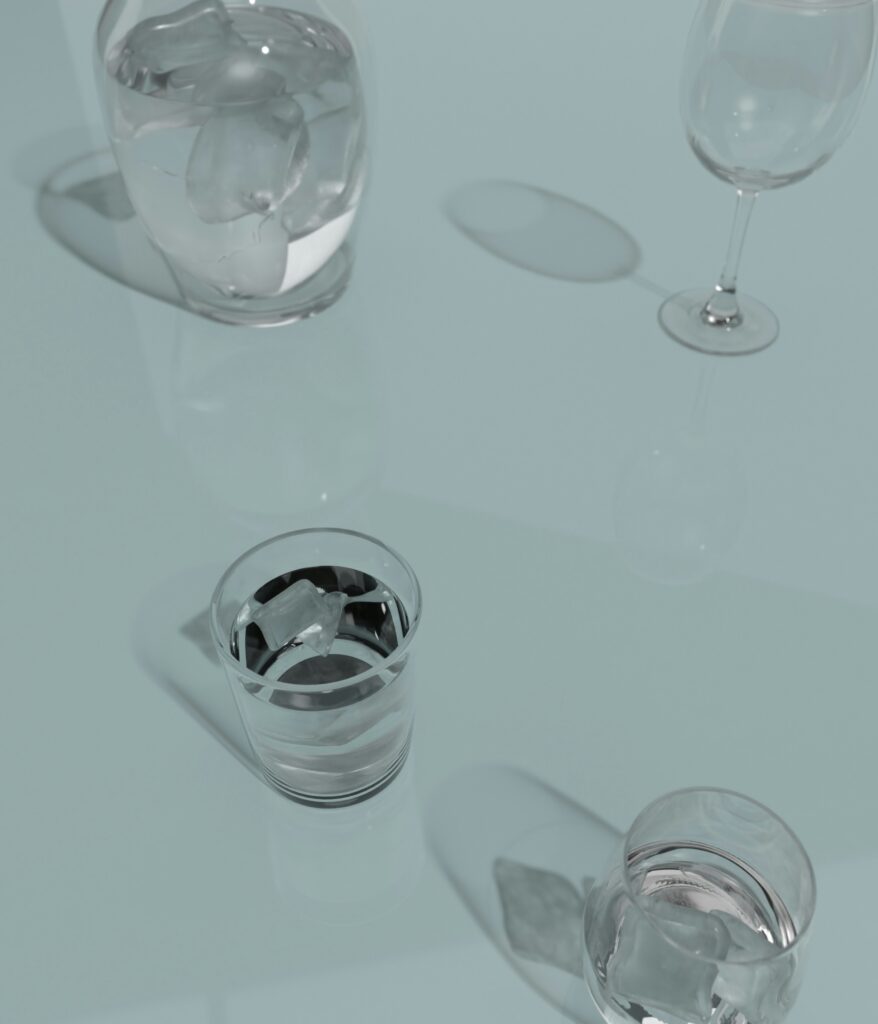
- Draw metallic, glass, and fabric objects to understand material differences.
- Sketch something shiny and try to capture its reflections.
- Study how shadows curve around round vs flat objects.
- Try line-weight variation — use lighter lines for distant areas, darker for close.
6. Boost Creativity & Confidence
- Redraw a past sketch to see your improvement.
- Turn a random doodle into a full character.
- Pick three random words and combine them into one drawing (ex: “cat,” “cloud,” “coffee”).
- Draw your favorite object from memory, then check accuracy.
- Copy a master artist’s sketch to learn their stroke confidence.
- Draw your favorite food realistically, then as a cartoon.
- Create a self-portrait with exaggerated features or mood.
- Fill one page with circles, lines, and shading practice — your warm-up ritual.
Leave a Reply