
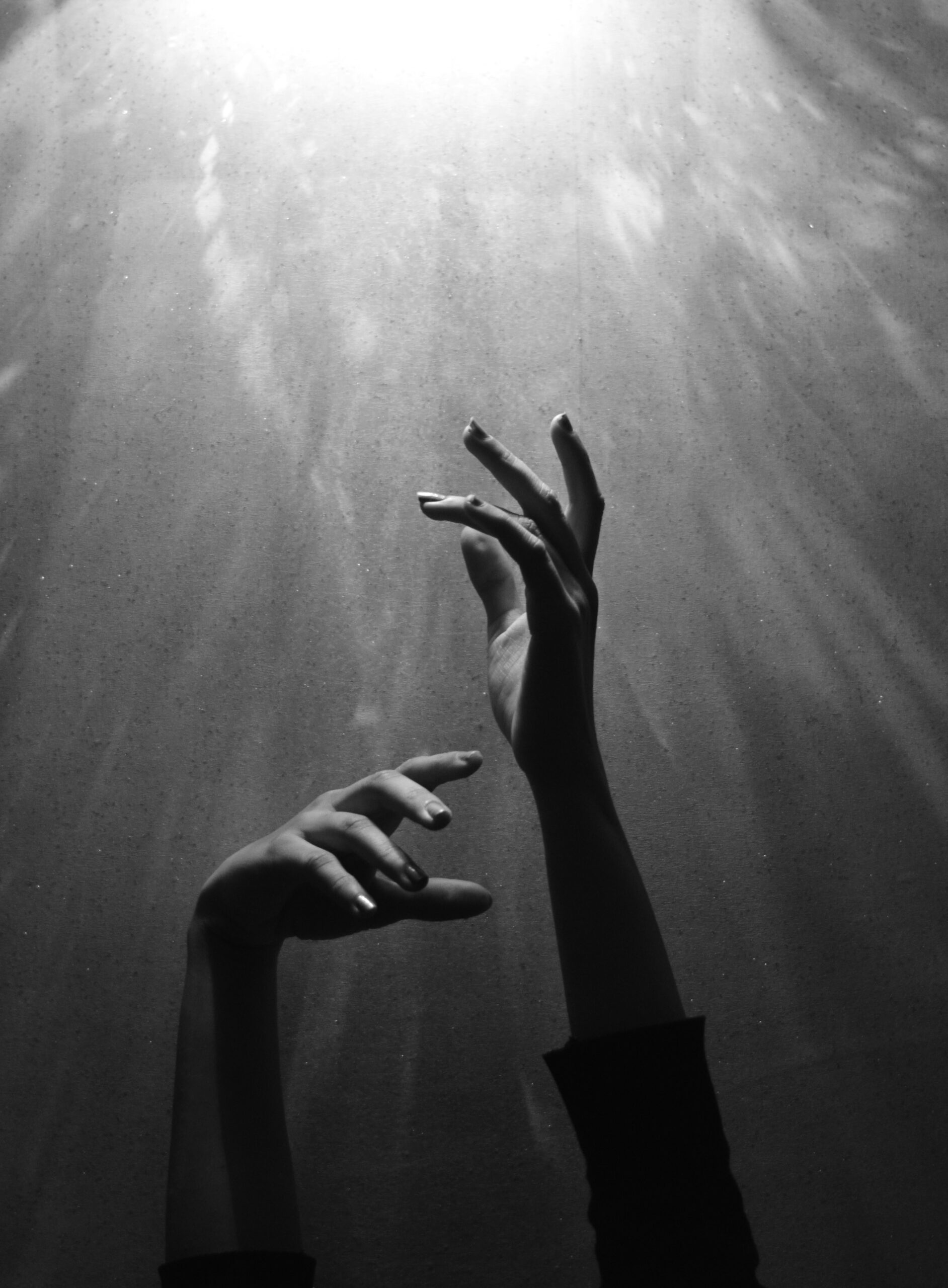
Hands are dramatic. Expressive. Emotional.
And also… famously annoying to draw.
If you’ve ever opened a sketchbook, stared at your own hand for five seconds, and immediately closed it again, you’re not alone. Hands feel hard because they are complex, but they don’t need to be practiced in intense, hour-long studies to improve.
This list is designed for low-pressure practice. Short prompts. Simple focus. No perfection required. Just enough repetition to build confidence without burning out.
Grab a pencil, set a 5 to 10 minute timer, and let’s go.
How to Use These Prompts (So They Actually Help)
Before diving in, a few ground rules:
- One prompt per page or per small section. No crowding.
- Loose lines only. These are studies, not finished drawings.
- Use cheap paper if that helps you relax. You don’t need “good” supplies to get better.
- Stop when the timer ends. Momentum matters more than polish.
You’re training your eye and hand, not making portfolio pieces.
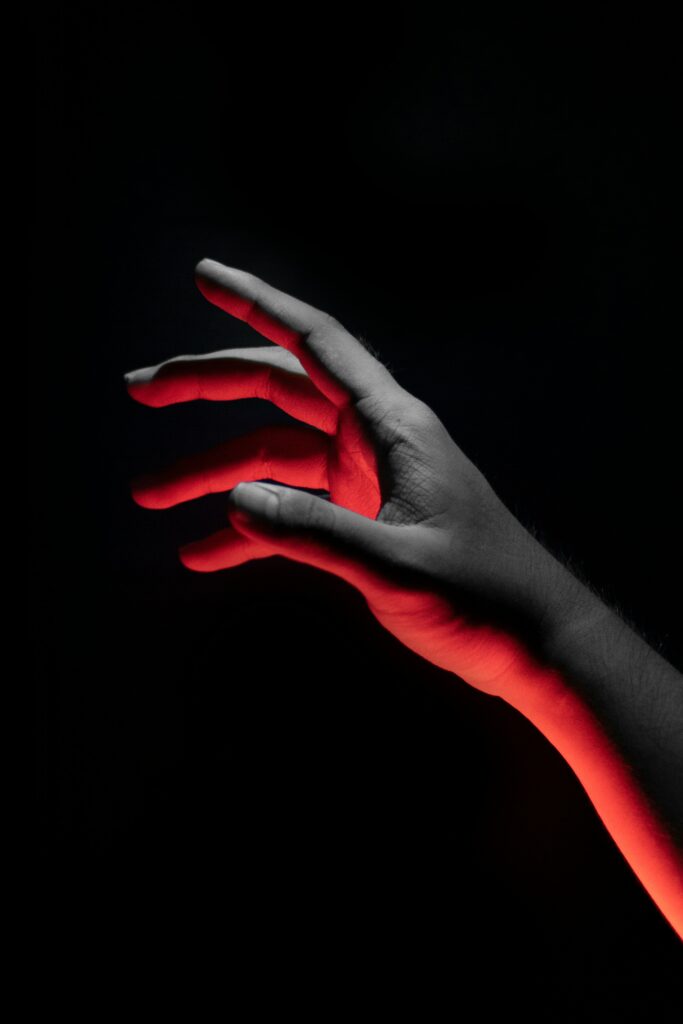
✋ Basic Shapes & Structure
These help you understand hands as forms, not puzzles.
- Draw a relaxed open hand using only simple shapes (rectangles and cylinders).
- Sketch a closed fist from the side.
- Draw the palm as a flat shape, no fingers.
- Add fingers as straight blocks, no joints yet.
- Draw a hand with the fingers all the same length (yes, on purpose).
- Draw a hand using only straight lines.
- Draw a hand using only curved lines.
🤍 Easy Gestures (Low Detail, High Flow)
Focus on movement, not accuracy.
- Draw a hand mid-wave.
- Sketch a hand reaching forward.
- Draw a hand resting on a table.
- Draw a hand dangling loosely.
- Sketch a hand pointing with one finger.
- Draw a hand pressing flat against a surface.
- Draw a hand from memory without looking at a reference.
✏️ Fingers Without Panic
Isolating fingers makes them less intimidating.
- Draw just the thumb from three angles.
- Sketch one finger bending.
- Draw fingers as simple sticks, no thickness.
- Draw fingertips only.
- Draw knuckles as small circles.
- Draw fingers overlapping each other.
🪞 Real-Life, No-Stress References
Use what’s already around you.
- Draw your non-dominant hand resting in your lap.
- Sketch your hand holding a pencil.
- Draw your hand holding a mug or cup.
- Draw a hand gripping fabric.
- Sketch a hand holding a phone.
- Draw both hands together, lightly touching.
- Draw the same hand pose twice, faster the second time.
What Actually Matters When Practicing Hands
You do not need:
- Perfect anatomy
- Hyper-realistic detail
- Finished drawings every time
You do need:
- Repetition
- Observation
- Low pressure
Hands improve quietly. One sketch at a time. Usually when you’re not even trying that hard.
Supplies I Recommend for Hand Practice
When you’re doing short, fast hand sketches, your tools should stay out of the way. You don’t need a full setup or ten different pencils. The goal is speed, clarity, and consistency.
✏️ Uni Mechanical Pencil Kurutoga Roulette Model
This is my go-to for quick sketching.
I prefer mechanical pencils when practicing hands because I’m not trying to do heavy shading. I’m focused on structure, gesture, and repetition. Using one consistent pencil keeps things simple and helps me move faster without stopping to sharpen.
This one feels solid and balanced in the hand, lasts a long time, and is affordable for something you’ll use daily. It’s especially good for short practice sessions where you just want to sketch and move on.
👉 https://amzn.to/49ckO1b
📓 Talens Art Creation Sketchbook
This is the sketchbook I personally use.
It has a lot of pages, comes in different sizes and colors, and the paper quality is reliable without feeling precious. I like it for practice because I don’t hesitate to fill it up, make mistakes, or draw the same hand pose ten times in a row.
That said, if you’re early in your art journey, I still recommend using cheap sketchbooks for most practice. Save something like this for when you want a dedicated place for studies you’ll come back to.
👉 https://amzn.to/4q9mtuh
Final Thought
Hands aren’t hard because you’re bad at drawing.
They’re hard because they’re expressive, bendy, and full of tiny decisions.
Practice them gently. Frequently. Imperfectly.
Ten minutes today beats an untouched sketchbook tomorrow 🤍
Leave a Reply