Author: Rosa

  • How I Romanticize Everyday Life Through Simple Rituals

    How I Romanticize Everyday Life Through Simple Rituals

    Some days feel so ordinary they almost blur together — the same breakfast, the same commute, the same quiet tasks waiting patiently for me. But somewhere along the way, I learned that beauty doesn’t only live in the big, cinematic moments; it’s something I can invite into the tiny, familiar ones. Not in a “my life is perfect” kind of way, but in a softening — a choice to notice.

    Romanticizing my life has become less about escaping reality and more about meeting it gently. Here are the small rituals that make my days feel a little more magical, a little more mine.


    1. Watching the Seasons Change — On Purpose

    Every morning, I look out the window and intentionally observe what’s changed. Living somewhere with four seasons means the world is always in motion.

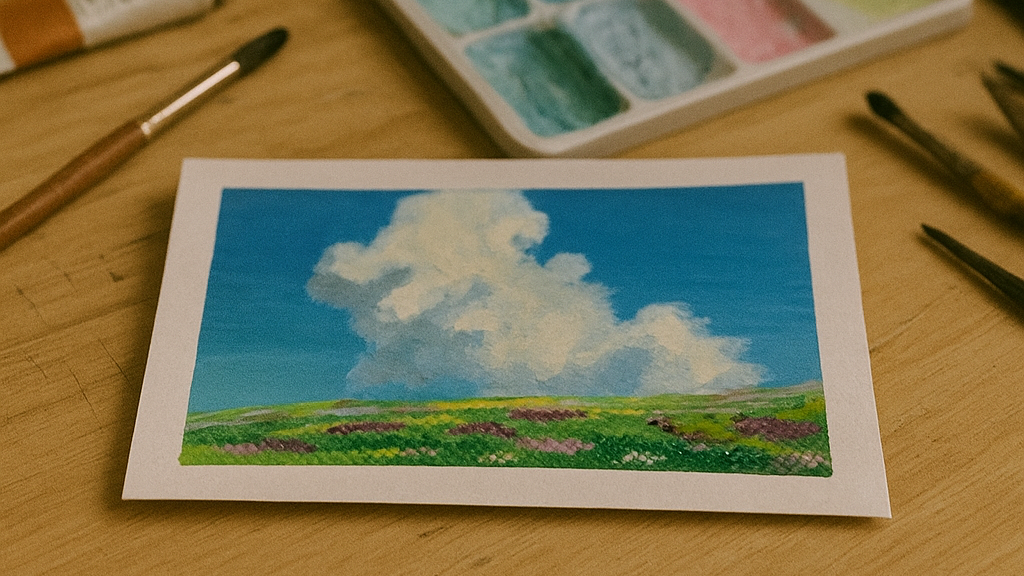
    I notice the tree outside my window turning a little more golden each day, or the way the last leaf hangs on before drifting away. I watch clouds roll by and imagine which colors I’d use to paint them. In spring, I check if any bumblebees are buzzing in the garden.

    These tiny observations ground me. They remind me I’m part of a world that’s slowly, beautifully shifting.

    2. Treating Gratitude Like a Snapshot

    When I’m with friends, family, or my partner and something small makes me genuinely happy, I take a mental snapshot. I pause internally and say,
    “I’m grateful for this.”

    It’s subtle, quick, and private — but powerful.
    This habit has trained my mind to recognize joy as it’s happening, rather than only appreciating it in hindsight. It makes ordinary moments feel fuller and more precious.

    3. Using a Tiny Camera to Capture Imperfect Moments
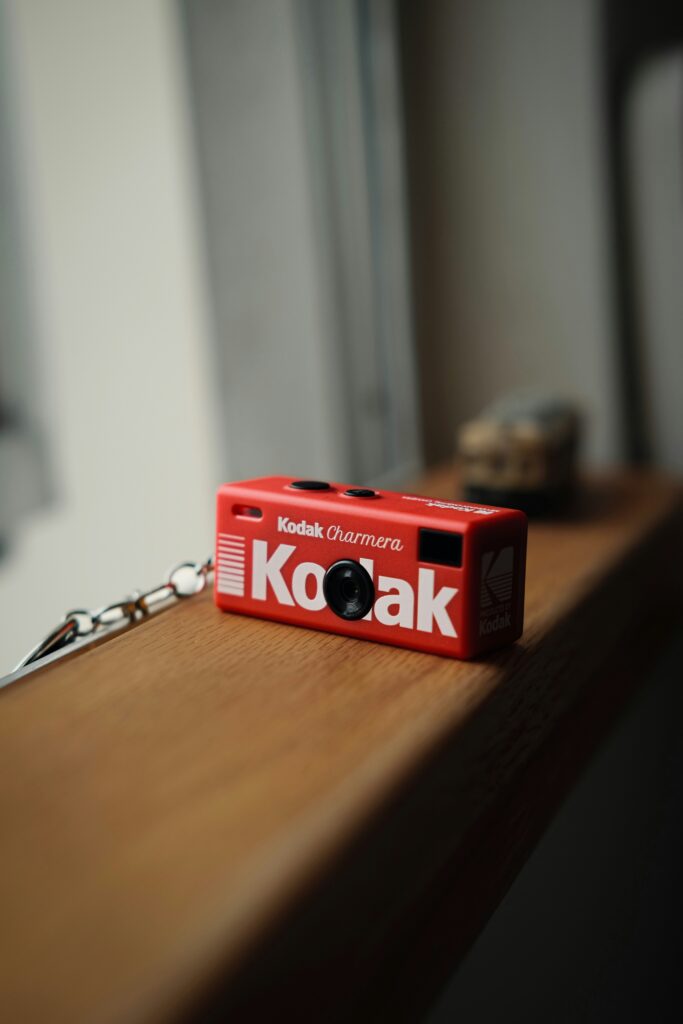
    I recently bought a Kodak Charmeara — a tiny, keychain-sized camera — and it has completely changed how I document my life.

    Because it’s so small, the photos are imperfect and nostalgic, which somehow makes them feel more honest. I love taking little snapshots of my day: the light on the floor, a silly moment with my friends, or something pretty on a walk.

    It’s photography without pressure… just pure noticing.

    4. Making Tea a Daily Ceremony

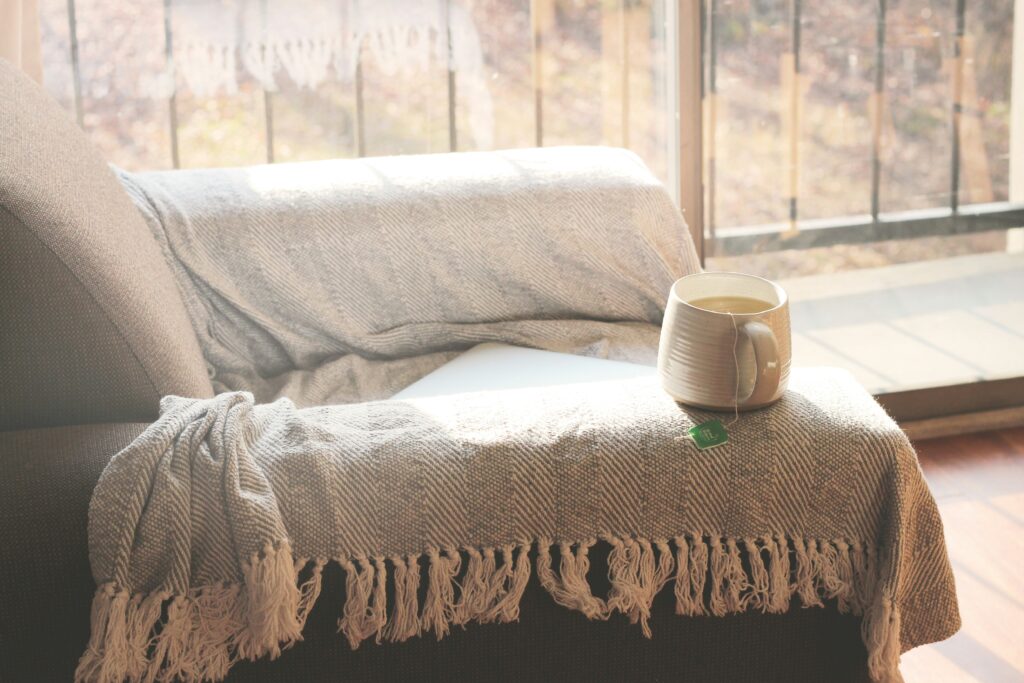
    Every day, I make myself tea, and it has become a ritual I genuinely look forward to.

    I choose the tea that matches my mood — mint for clarity, chamomile for softness, black tea for grounding. The act of boiling water, breathing in the warmth, and holding the mug with both hands slows me down.

    Even a simple cup of tea can anchor a chaotic day.

    5. Finding Joy in Tiny Observations

    Part of romanticizing life is becoming a gentle observer.

    In the spring, I check the garden for bumblebees.
    On walks, I stop to look at mushrooms or the way sunlight filters through branches.
    These moments take ten seconds, but they reconnect me to my senses.
    They remind me that wonder is always available to those who look for it.

    6. Celebrating Small Beauty (Even When Life Isn’t Perfect)

    Romanticizing your life isn’t about pretending everything is dreamy — it’s about allowing softness to coexist with reality.

    The soft light on your floor.
    A friend’s laugh.
    The first flower of spring.
    A blurry photo.
    A warm mug.

    It’s not delusion — it’s intention.

    7. Standing in the Sunlight and Letting It Warm My Skin

    One of my favorite grounding rituals is standing by a large window and letting the sunlight warm my face. I close my eyes and let myself simply feel it.

    It’s such a simple act, but it resets my mood.
    Warmth has a way of reminding the body that it’s safe, held, and here.

    8. Letting Music Decorate My Time
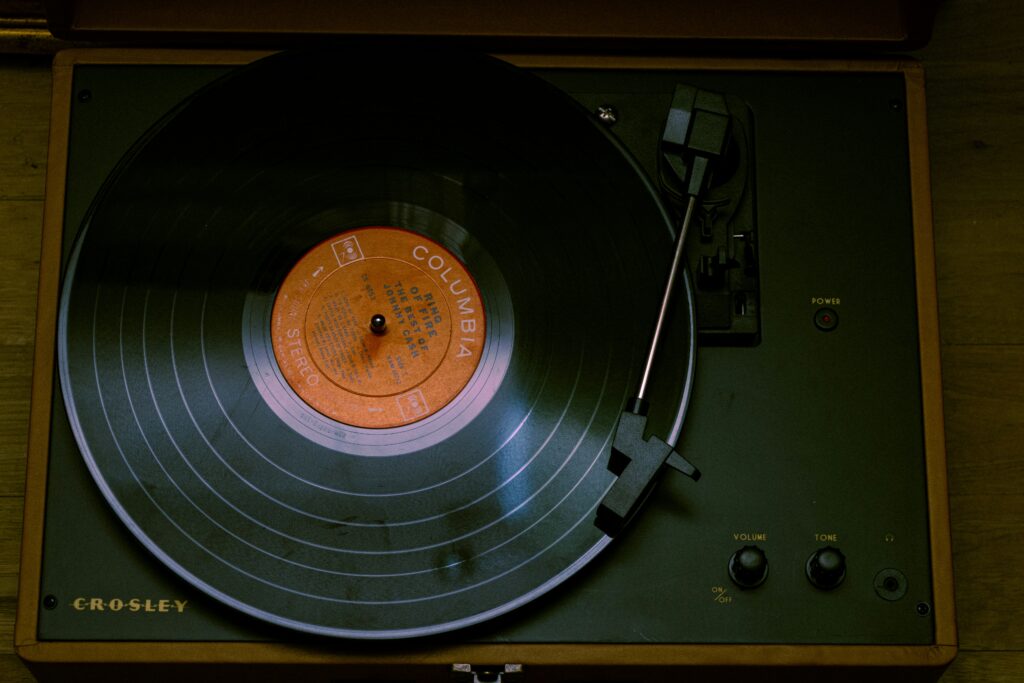
    I often have music playing because it transforms the rhythm of my day.

    I love the idea that art decorates space, and music decorates time.
    What I listen to shapes the emotional colour of whatever I’m doing — soft indie for slow mornings, calm instrumentals while I journal, baddie playlists at the gym.

    Music turns routines into scenes.

    9. Filling My Home with Little Rainbows
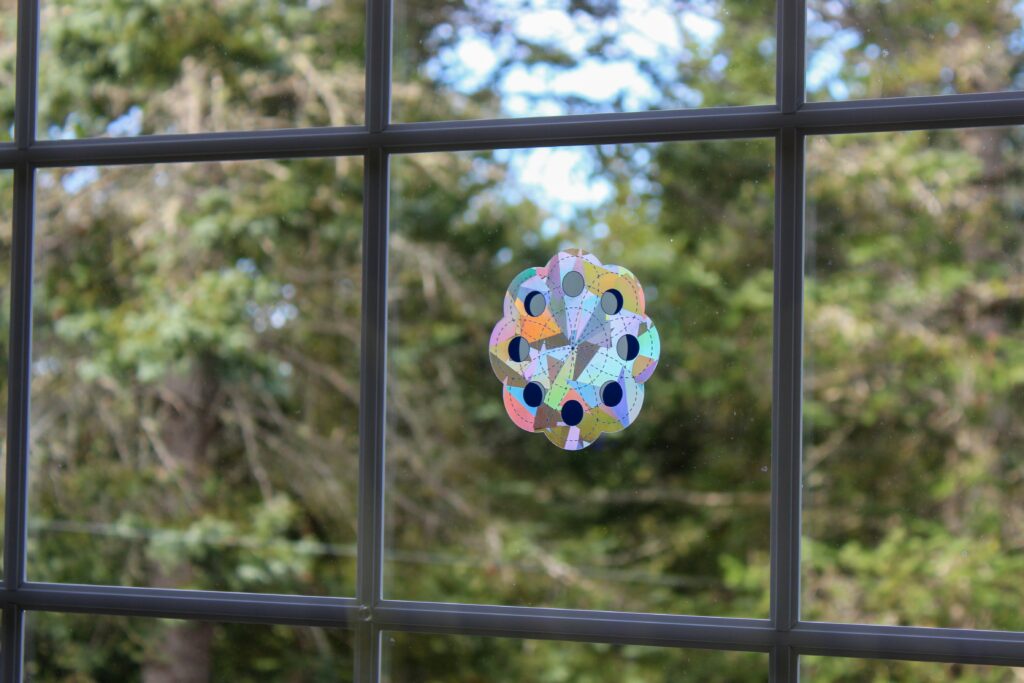
    I have suncatchers around my home, and on bright days they scatter tiny rainbows across my walls. It’s such a small thing, but it instantly lifts my mood.

    The moving colors feel whimsical and alive, like the room is celebrating the sunlight with me.


    Final Thoughts

    Romanticizing your life isn’t about pretending everything is beautiful — it’s about practicing presence long enough to notice that much of it already is.

    A soft moment.
    A warm drink.
    A tiny rainbow.
    A slow breath in the sun.

    Life becomes gentler when you let these moments matter.
  • 29 Drawing Ideas for Beginners (That Actually Help You Improve)

    29 Drawing Ideas for Beginners (That Actually Help You Improve)

    If you’re just getting into drawing, don’t worry about making perfect art — focus on learning how things work. These prompts help you practice shapes, shading, anatomy, and perspective, while keeping things fun and pressure-free. Grab your sketchbook, pick a few each week, and watch your skills grow.

    1. Start with Shapes

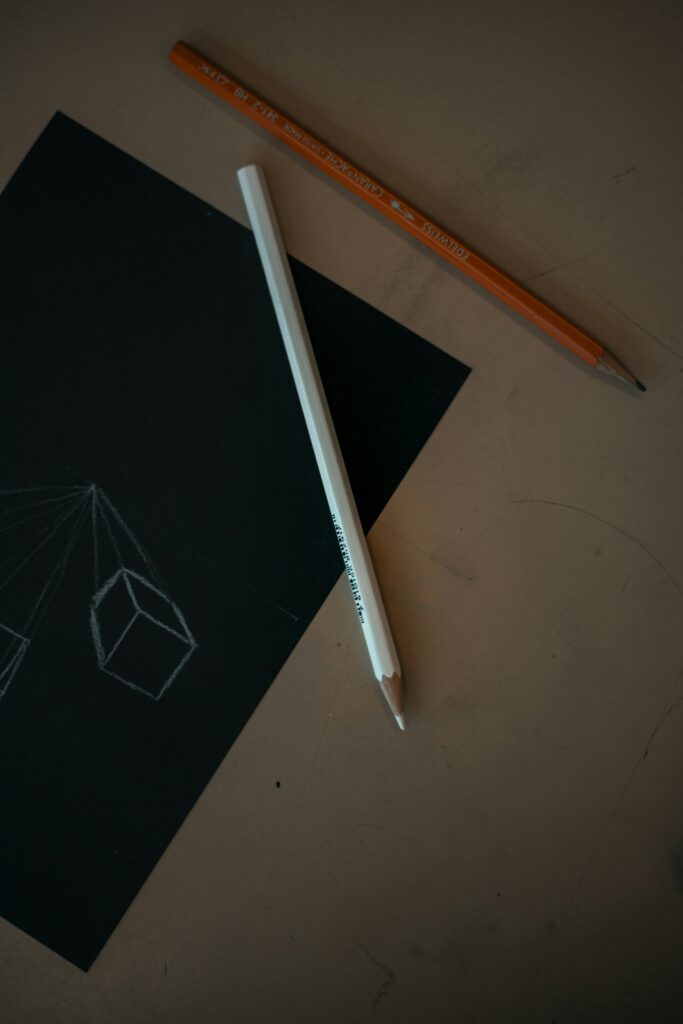
    1. Draw a still life using only circles, squares, and triangles.
    2. Sketch everyday objects (like cups or bottles) as simple 3D forms.
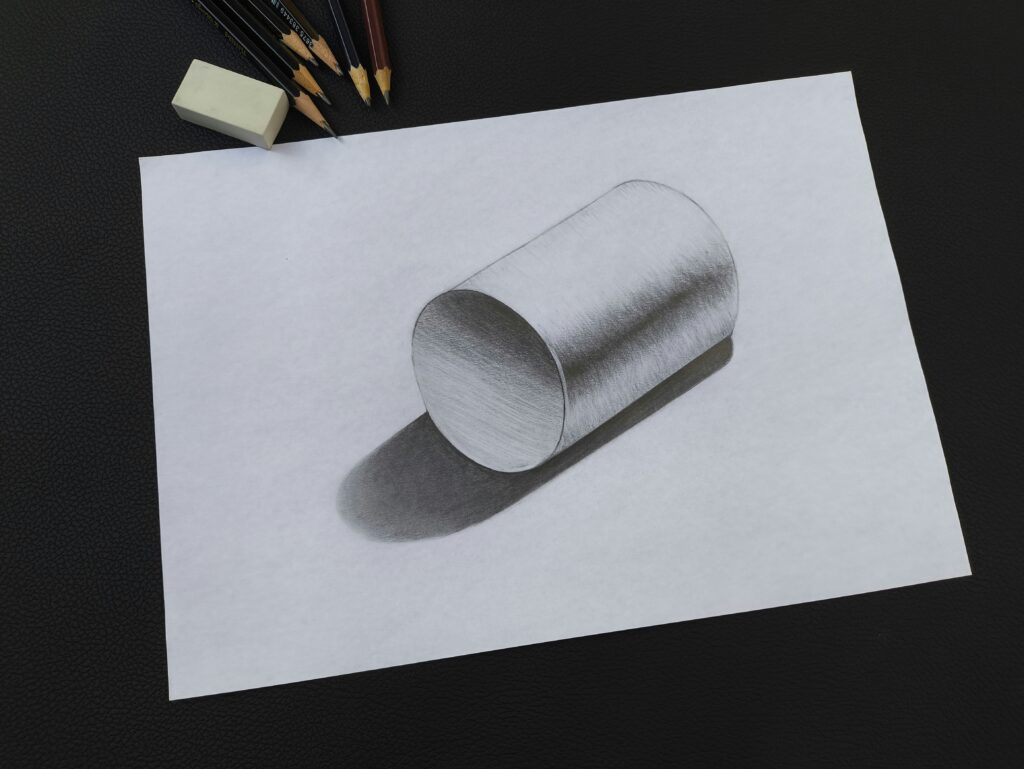
    3. Try shading a cube, sphere, and cylinder using one light source.
    4. Combine basic shapes to build something more complex — like a teapot or shoe.

    2. Practice Light & Shadow

    1. Shade a crumpled paper or cloth to practice texture.
    2. Draw the same object under soft light and harsh light.
    3. Try using cross-hatching for one drawing and blending for another.
    4. Create a gradient from light to dark using just your pencil pressure.

    3. Learn Proportion & Perspective

    1. Sketch your hand from three angles — palm, side, and holding something.
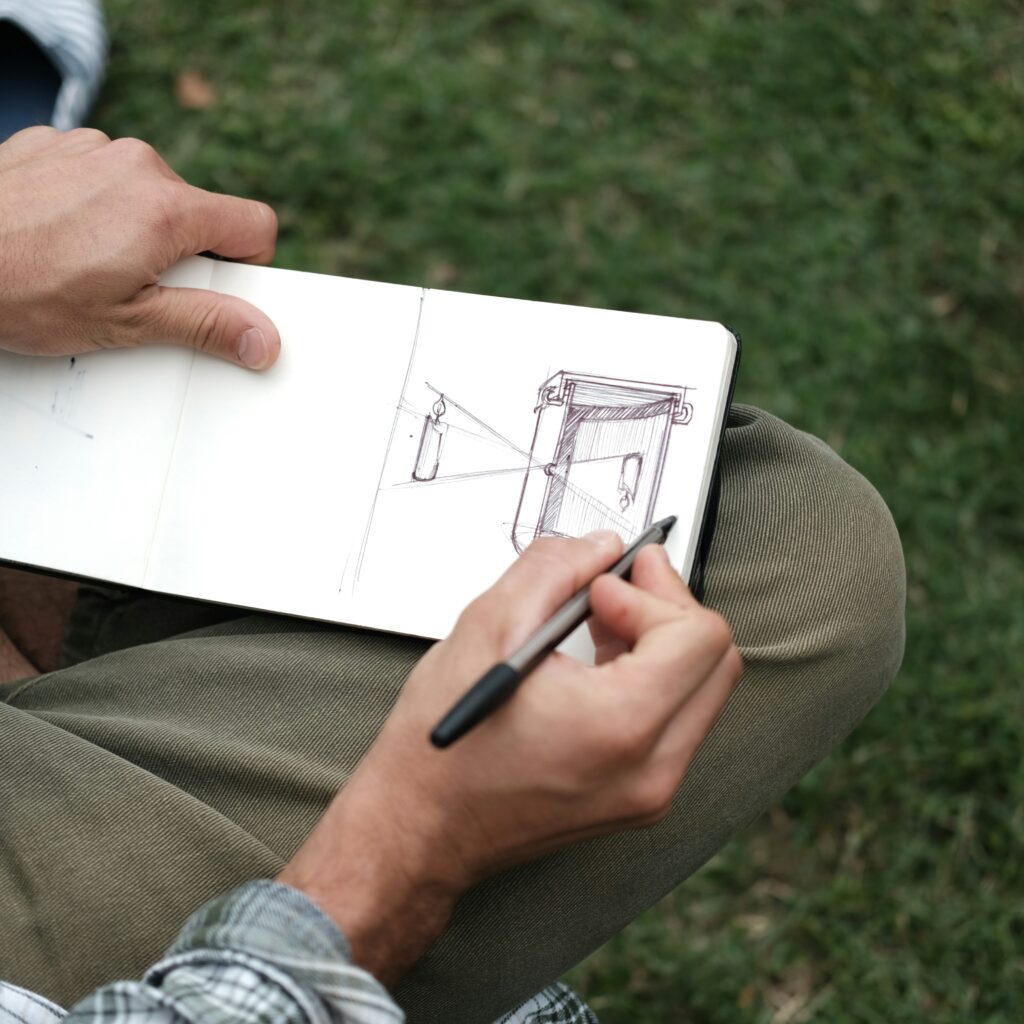
    2. Draw a simple chair or table using one-point perspective.
    3. Try drawing a hallway or room corner with two-point perspective.
    4. Sketch a person or animal using only basic shapes to get proportions right.

    4. Build Anatomy Confidence

    1. Do 5 quick 30-second gesture drawings (focus on movement, not detail).
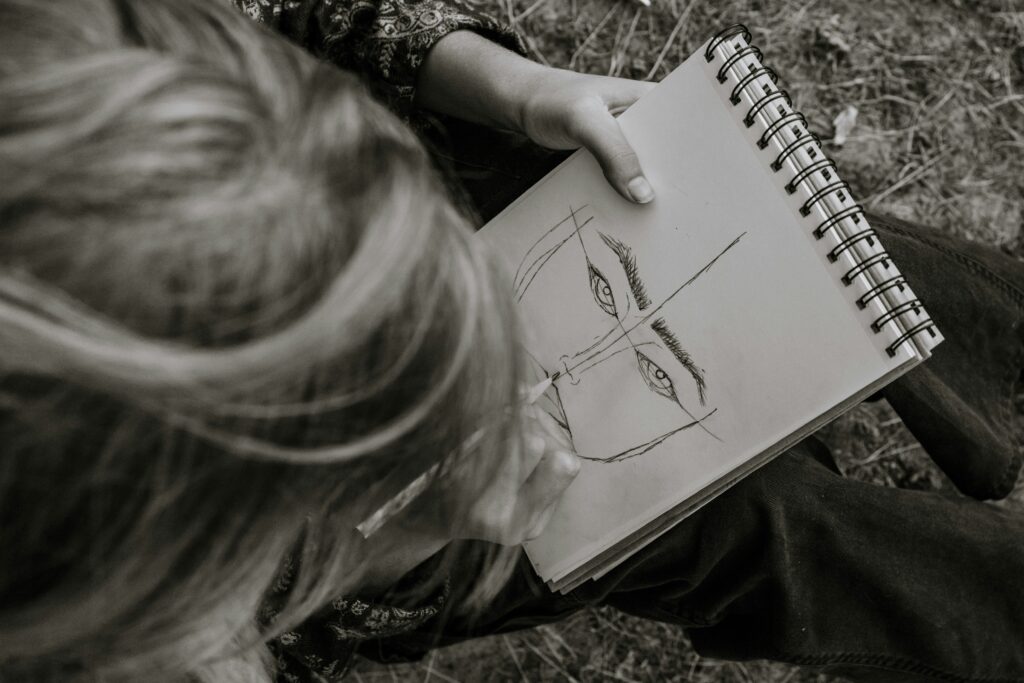
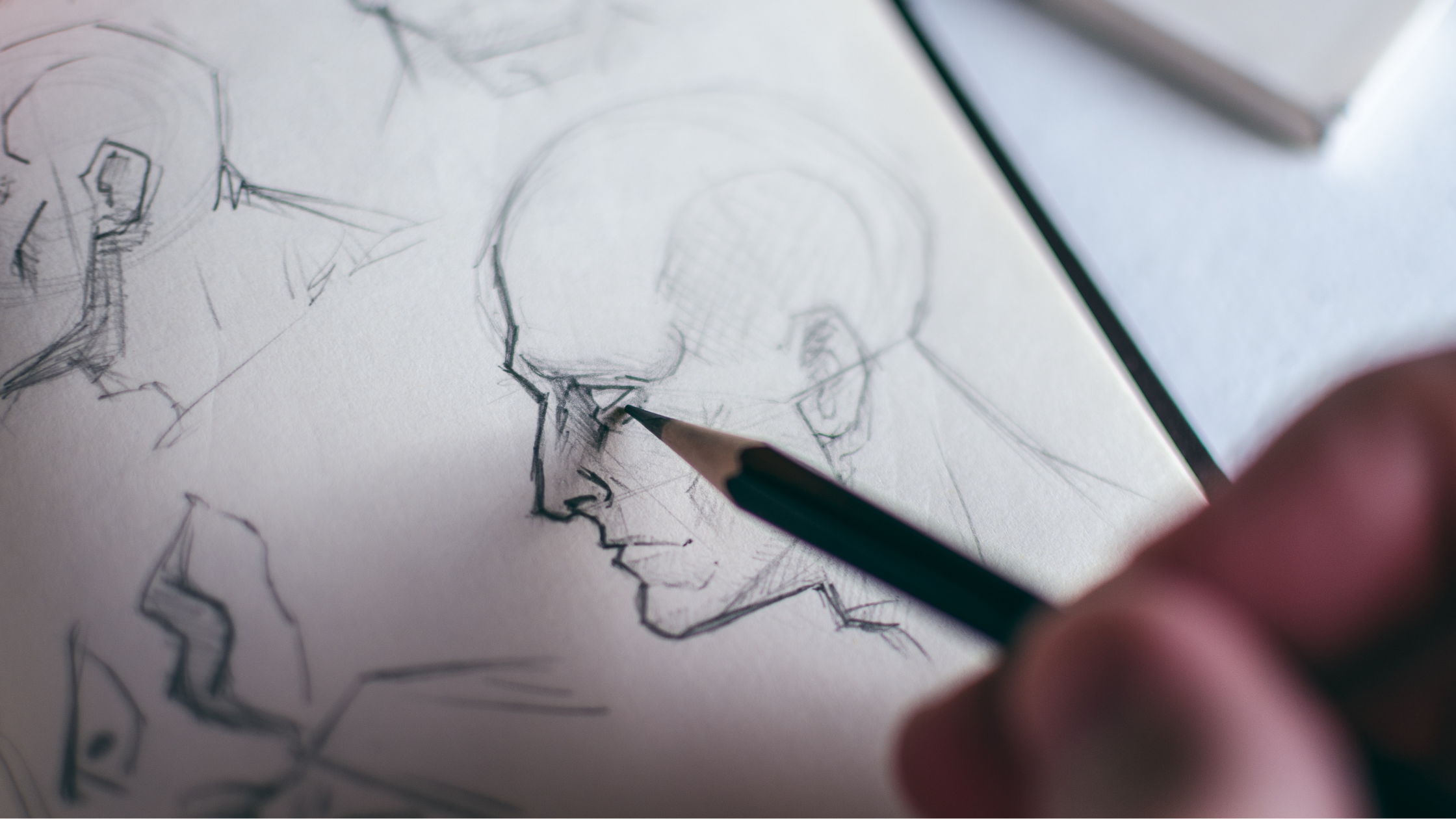
    2. Draw heads using the Loomis method or simple oval guides.
    3. Practice drawing facial features individually — eyes, noses, lips, ears.
    4. Sketch hands in different poses, even if they look weird at first.
    5. Try feet — no one likes them, but they’re great for learning structure.

    5. Explore Form & Texture

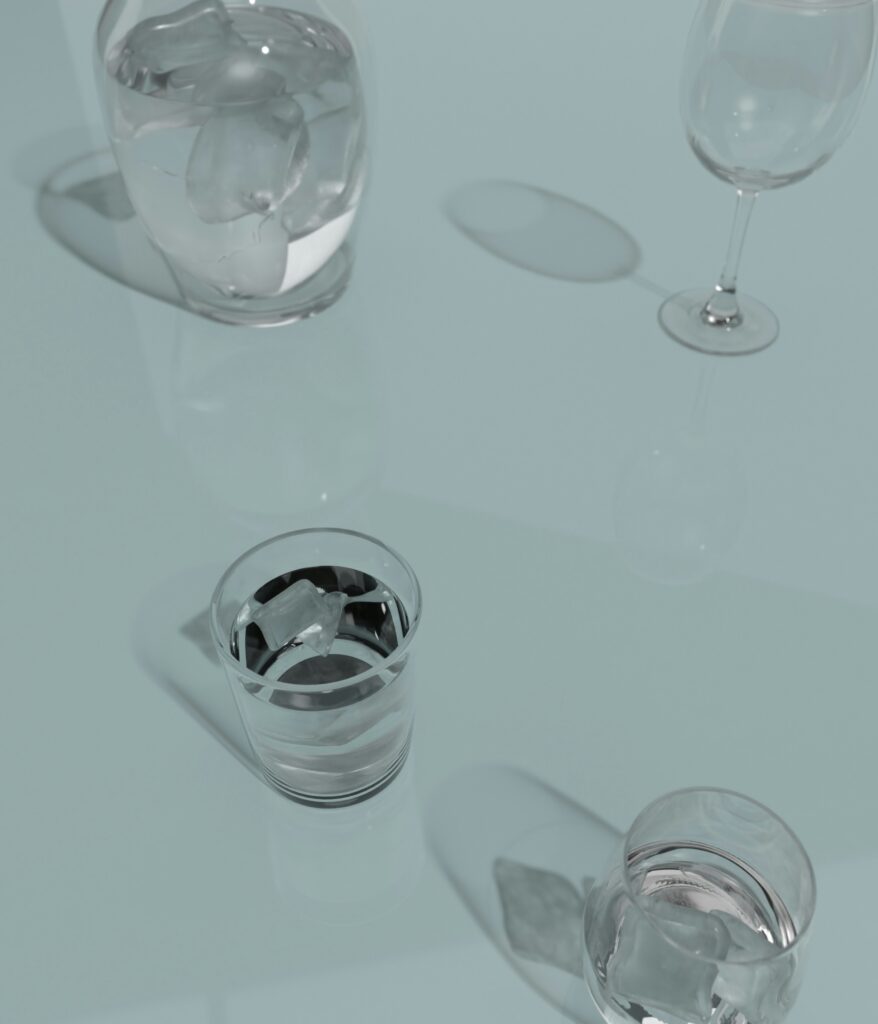
    1. Draw metallic, glass, and fabric objects to understand material differences.
    2. Sketch something shiny and try to capture its reflections.
    3. Study how shadows curve around round vs flat objects.
    4. Try line-weight variation — use lighter lines for distant areas, darker for close.

    6. Boost Creativity & Confidence

    1. Redraw a past sketch to see your improvement.
    2. Turn a random doodle into a full character.
    3. Pick three random words and combine them into one drawing (ex: “cat,” “cloud,” “coffee”).
    4. Draw your favorite object from memory, then check accuracy.
    5. Copy a master artist’s sketch to learn their stroke confidence.
    6. Draw your favorite food realistically, then as a cartoon.
    7. Create a self-portrait with exaggerated features or mood.
    8. Fill one page with circles, lines, and shading practice — your warm-up ritual.
  • How Creative Outlets Can Heal the Mind (and Skin)

    How Creative Outlets Can Heal the Mind (and Skin)

    Rediscovering the Joy of Creating

    Lately, I’ve been finding my way back to something I thought I’d outgrown — the kind of quiet joy that comes from creating just because it feels good. When I sit down with a pencil and paper, the world softens. There’s no end goal, no screen, no need to be perfect — just the feeling of being absorbed in something simple and real. It reminds me of being a kid again, when imagination came easier than words and time seemed to stretch forever.

    Meeting My Inner Child Again

    Somewhere along the way, I think I forgot what it felt like to create without a reason. As an adult, everything starts to revolve around purpose — deadlines, goals, outcomes. But lately, I’ve been giving myself permission to draw badly, to doodle for no reason, to just let my hands move without judging the result. It’s funny how something so small can feel so freeing. In those quiet moments, I can almost hear my younger self again — curious, playful, and unbothered by perfection. It’s like we’re finally spending time together after years apart.

    Feeling Calm from the Inside Out

    There’s something healing about slowing down enough to notice how your body feels when your mind is quiet. When I draw, my breathing evens out without me trying. My shoulders drop. The tension that usually hums under my skin just… disappears. It’s as if my body recognizes the difference between being busy and being at peace. Creating has become a way to remind myself what calm actually feels like — not just mentally, but physically too.

    A Surprising Connection

    For years, I struggled with eczema, and I didn’t always realize how much stress made it worse. The tension I carried in my shoulders, the constant mental to-do list, the nights I couldn’t sleep — all of it seemed to ripple through my skin. But something has shifted recently. Spending time with pencil and paper, fully absorbed in creation, has given my body a break it didn’t know it needed. My flare-ups have calmed, my skin feels more at ease, and I’m beginning to see how deeply our minds and bodies are connected. It’s not magic, just the quiet power of giving yourself space to breathe, to play, and to be.

    The Importance of Tactile, Physical Art

    For me, it’s not the same on a screen. Drawing on an iPad never feels quite right — the smooth glass and digital brush lack the weight and texture that make creating feel real. There’s something grounding about holding a pencil, feeling it drag across paper, the little smudges that remind you you’re human. Those small, physical sensations pull me into the moment and make it impossible to stay caught up in everything else. It’s a simple act, but it’s one of the few ways I can truly disconnect, and in that disconnection, my mind finds rest and my body follows.

    A Gentle Invitation

    Art therapy doesn’t have to be structured or perfect. It doesn’t require fancy tools or years of experience. It just requires a little time and the willingness to show up for yourself. Giving your mind space to play, explore, and breathe isn’t just relaxing — it can be transformative. For me, it has helped me reconnect with my inner child, lower my stress, and even calm my skin in ways I didn’t think were possible. Maybe the same will happen for you.

  • How To Make A Space Feel Cozy Without Buying Anything New

    How To Make A Space Feel Cozy Without Buying Anything New

    There are days when I look around my room and feel an urge to refresh everything — new decor, new furniture, new “aesthetic.” But the truth is, the coziness I’m craving rarely comes from something I can add to my cart.
    It comes from how I tend to the space I already have.

    Over the last year, I’ve been practicing a softer approach: creating warmth and comfort without spending anything. And honestly? It’s made my space feel more me than any haul ever could.

    Here’s how I do it — gently, intentionally, and without buying a single new thing.

    1. Let the Light Do the Work

    Cozy starts with lighting — not the fancy kind, just the kind you can already shape.

    In the morning, I pull my curtains open just a little wider, letting the daylight spill in. Not bright and harsh, just soft and airy, the kind that makes the room feel like it’s breathing.
    At night, I switch off every overhead light and use only what feels warm: a lamp in the corner, my computer screen dimmed, candles I already own.

    It’s amazing how much calmer a room feels when the lighting moves at the same pace you do.

    2. Rearrange With Intention

    Sometimes comfort is as simple as shifting things a few inches.

    I’ll move a chair so it catches the morning sun.
    Slide my desk closer to the window so I feel grounded while I work.
    Clear the corner that’s been silently stressing me out.

    No new objects — just new flow.
    And somehow, the whole space exhales.

    3. Use Textures You Already Have

    Cozy isn’t about buying more blankets. It’s about using the ones you forgot you owned.

    A sweater draped over a chair.
    A scarf folded at the end of the bed.
    A chunky cardigan used as a cushion cover.
    These little textures create a kind of quiet warmth — the lived-in, gentle kind.

    It doesn’t need to match to feel intentional. It just needs to feel comforting.

    4. Curate Soft Moments, Not Decorations

    I’ve stopped thinking of my space as something I need to “decorate.”
    Instead, I focus on moments I want to experience.

    A small corner where I can journal without rushing.
    My favorite mug placed within easy reach.
    A stack of books that make me feel dreamy and grounded at the same time.

    It’s less about aesthetics, more about feeling safe and cared for in tiny, everyday ways.

    5. Bring Nature Indoors (Without Buying Plants)

    The earth already offers softness — you just need to notice it.

    Sometimes I gather fallen leaves from outside and press them between book pages.
    Or I place a small vase of flowers that I gathered on a recent walk at my desk.
    On good days, I crack the window open and let the breeze be the coziest “decor” of all.

    These little touches reconnect me to something slower and quieter.

    6. Reset the Energy, Not the Objects

    A cozy space isn’t built from things — it’s built from presence.

    I put on slow music.
    Tidy for five minutes, nothing heavy.
    Open the window, stretch, breathe.
    Wipe down a surface mindfully instead of rushing through it.

    It’s a subtle shift, but the room feels different afterward. Softer. More grounded. Like it’s holding me instead of overwhelming me.

    7. Fill the Space With What Feels Like You

    The coziest rooms aren’t curated — they’re lived in.

    I hang up the sketches I’m proud of.
    The books that shaped me.
    The small memories that feel warm when I pass by them.

    Not clutter — but reminders of the person I’m becoming.

    Cozy doesn’t have to look minimal or maximalist.
    It just has to feel like home.

    Final Thoughts: Cozy Is a Feeling, Not a Purchase

    Creating a warm, grounded space isn’t about buying new things.
    It’s about slowing down, paying attention, and making tiny shifts that let your room (and your mind) breathe.

    The softness you’re craving is already here.
    You just have to let it surface.

  • How I’m Learning to Create More, Consume Less

    How I’m Learning to Create More, Consume Less

    The Comfort Trap: Living Without Creating

    For a long time, my days felt like a loop I couldn’t escape. I’d come home exhausted, collapse into bed, and let whatever show I was watching carry me to midnight. It wasn’t bad, exactly — it was comfortable. But comfort slowly turned into numbness. I wasn’t unhappy, but I wasn’t fulfilled either. I missed that feeling of being absorbed in something I loved, of watching myself grow, even in small ways. I just didn’t know where to start.

    Picking Up a Pencil: Five Minutes That Changed Everything

    The shift began quietly. One night, instead of clicking “next episode,” I grabbed a pencil. I wasn’t trying to reinvent my life or unlock some new identity — I simply wanted to do something that felt like mine. I told myself I’d draw for five minutes. Just a quick sketch, nothing serious. Those five minutes stretched into twenty, then thirty, and before I knew it, picking up a pencil became the most grounding part of my day. It wasn’t about talent or perfection or even results. It was about presence. And I hadn’t felt present in a long time.

    Art is something I’ve always admired from afar. I used to tell myself I “wasn’t the art type,” or that creativity belonged to people who were born with it. I watched friends and family sketch effortlessly and wished I had that magical ability — as if they were in some exclusive club I didn’t qualify for. I wrote myself off before I even tried. It felt safer that way.

    Overcoming the “I’m Not the Art Type” Mindset

    That mindset followed me into adulthood, until I read the book Mindset. The biggest lesson I took away was simple, almost embarrassingly so: you can be anything you want with enough practice. There’s no cheat code, no shortcut, no hidden talent you either have or don’t have. You just show up, consistently, even if you’re terrible at first. Especially if you’re terrible at first.

    That idea cracked something open in me. It was the same reason I went back to school to learn coding. I told myself I wanted to be good at it — so I practiced. Over and over. I became the kind of person who could build things because I decided I would, not because it came naturally. And if that was true for coding, why wouldn’t it be true for art?

    How Mindset and Atomic Habits Guided Me

    Around the same time, I read Atomic Habits, which taught me how to design small, almost foolproof systems that make progress inevitable. So I paired the two mindsets together: practice and consistency. No pressure, no perfectionism, no expectations. Just five minutes a day with a pencil. Five minutes that grew into a ritual.

    Now I can’t imagine my life without it.

    Creation Is About Who You Become

    Since April, my art journey has become something I’m genuinely obsessed with — in the best way. I draw every single day. I doodle during meetings (still listening, don’t worry). I look at the world differently: shapes, shadows, angles, colours. I think about the next thing I want to try, the next challenge I want to push myself through. And the improvement… it’s wild. I don’t think I realized how far I’d come until my family and friends started commenting on it. There’s something incredibly validating about someone noticing the thing you quietly worked on when no one else was watching.

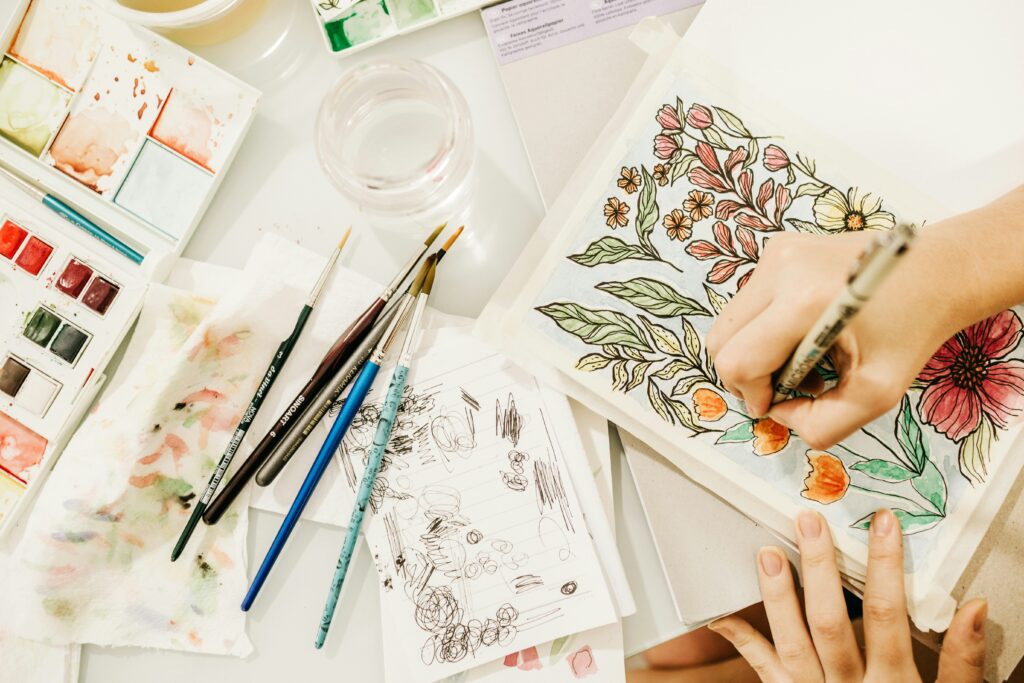
    I started with a simple six-pack of pencils. That’s it. No fancy tools, no expensive sketchbooks, nothing aesthetic or intimidating. Just paper and graphite. But once I let myself play — really play — my curiosity exploded. Now I experiment with alcohol markers, gouache, watercolours, and acrylic paint markers. I’m learning how each tool behaves, how they blend, how they fight me, and how they sometimes surprise me in the best ways. Every medium teaches me something different.

    But the biggest lesson isn’t about art at all:
    It’s about who I become when I choose to create.

    Creating makes me feel awake. It reminds me that I’m capable of growth. It teaches me patience. It makes me feel like I’m participating in my own life instead of watching it from the outside. It’s a quiet kind of joy — the kind that builds slowly, softly, until one day you realize you’re proud of yourself, not for what you made, but for the simple fact that you showed up.

    Start With Five Minutes: Choosing Creation Over Autopilot

    If you’re stuck in that cycle of consuming because you’re too tired to do anything else, I get it. Truly. It’s hard to break out of. But maybe you don’t need a big transformation. Maybe you just need five minutes. Five minutes of trying something you’ve always admired. Five minutes of letting yourself be bad at something without giving up. Five minutes of choosing creation over autopilot.

    You never know — it might change everything.